
Prototype is one of those words that gets used to mean several different things, and the difference matters practically. A product team that orders a visual prototype when they need a functional one, or vice versa, has spent time and budget on something that can’t answer the questions the project actually needs answered.
Understanding what each type is for, and when to use which, is one of the more useful things anyone involved in product development can know.
What a Visual Prototype Is
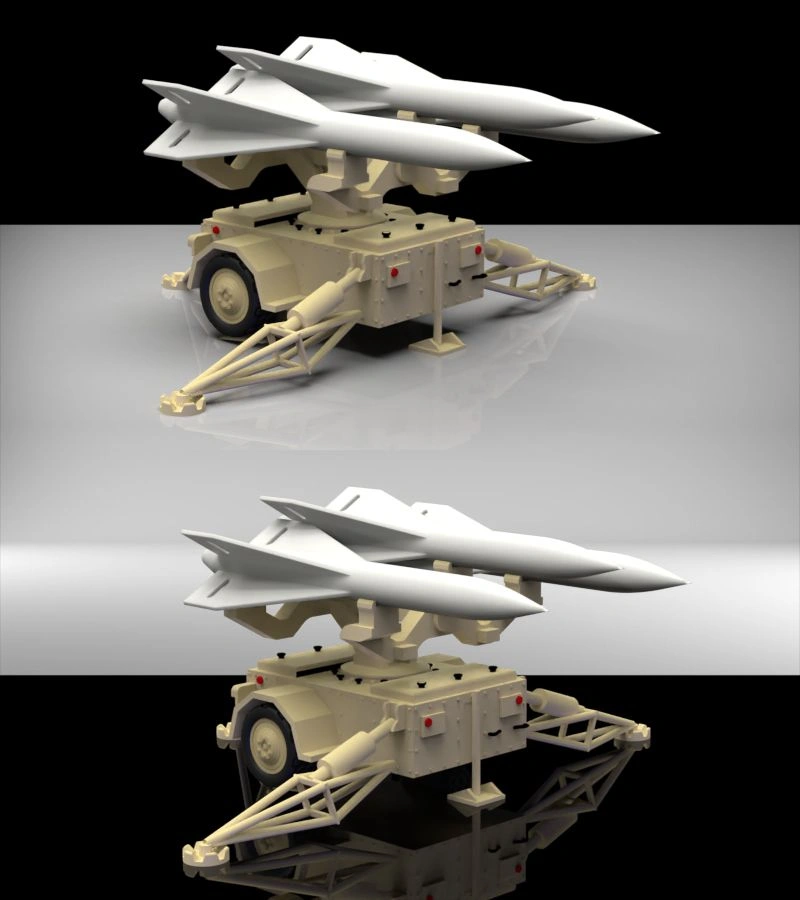
A visual prototype is built to show what something looks like. Dimensions, proportions, surface finish, color, form, the physical reality of how the product will appear in the world.
It isn’t built to work. It doesn’t move, power on, connect, or perform any of the functions the final product will perform. A visual prototype of a medical device looks exactly like the finished product but has no internal components. A visual prototype of an industrial housing replicates the external geometry precisely, but the interior may be solid or hollow without consequence.
The difference between visual and functional prototypes is clearest here: the visual prototype answers “what does this look like?” It doesn’t attempt to answer “does this work?”
Visual prototypes are used for design reviews, investor presentations, trade show demonstrations, packaging development, photography and marketing materials, and any situation where communicating the product’s appearance is the goal. They’re typically faster and less expensive to produce than functional alternatives because the requirements are limited to geometry and surface quality.
What a Functional Prototype Is
A functional prototype is built to work, or to work in part. It replicates one or more of the functions the final product will perform so those functions can be tested under real or simulated conditions.
A functional prototype might house actual electronics, incorporate moving parts, bear mechanical load, or interface with other components the way the finished product will. It doesn’t have to look perfect; surface finish, color accuracy, and cosmetic detail are secondary. What matters is performance.
Functional prototypes answer questions that visual ones can’t. Does the mechanism work as designed? Does the part withstand the load it will experience in use? Does the assembly interface correctly with the components it connects to? These are the questions that engineering sign-off depends on.
Which One Does Your Project Need?
The honest answer is usually: both, at different stages.
Early in development, a visual prototype helps align everyone on what the product looks like before committing to the engineering detail. Later, functional prototypes test whether it actually works. Many products go through multiple iterations of each before the design is finalized.
Gazelle 3D produces both visual prototypes with the surface quality that presentations require, and functional prototypes in engineering-grade materials that handle real testing conditions. Understanding the difference between visual and functional prototypes is the starting point for specifying what your project actually needs.
Conclusion
The right prototype for a project is the one that answers the questions the project currently needs answered. Visual for appearance. Functional for performance. Getting that distinction right before placing the order saves both time and budget.
FAQs
Can a single prototype be both visual and functional?
Sometimes, particularly at later development stages when the design is mostly settled and both appearance and function need to be validated together.
What materials does Gazelle 3D use for functional prototypes?
Engineering-grade materials including nylon, PETG, carbon fiber composite, and flexible filaments, selected based on what the part needs to do and the mechanical, thermal, or chemical properties required.